Low Budget Repairs How to Make Money
Protect the margin without failing the contract.
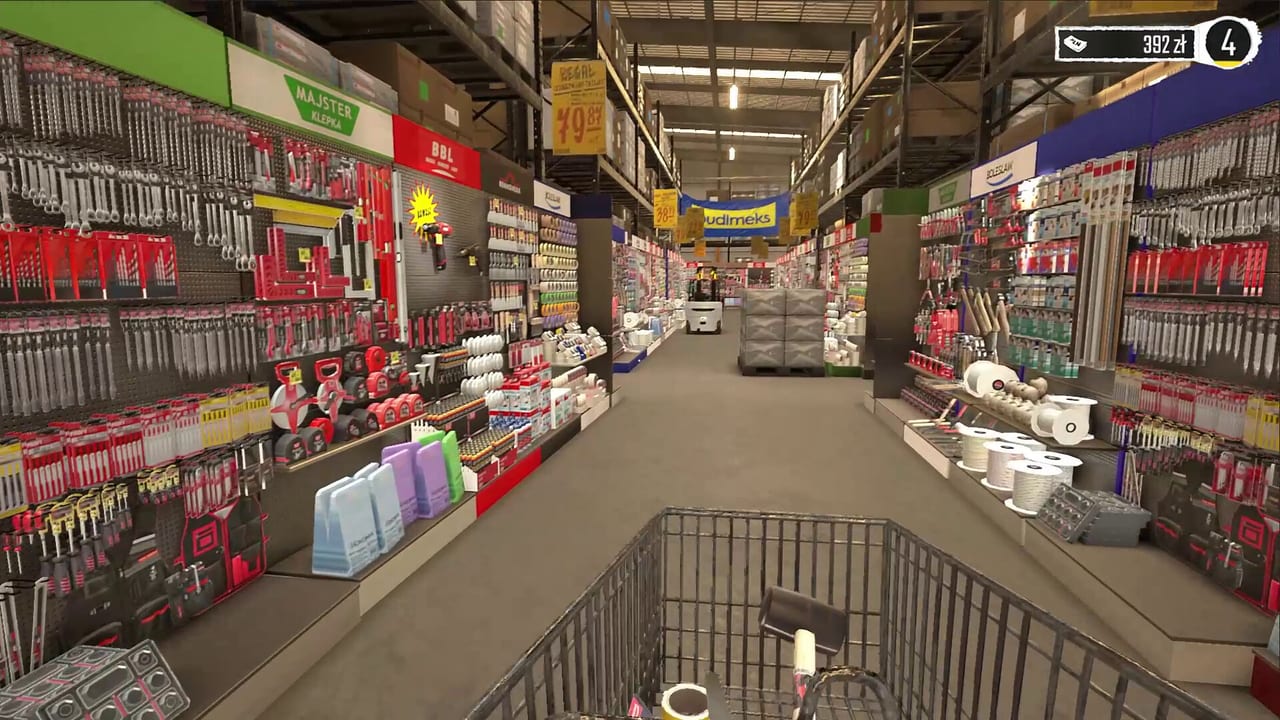
Making money in Low Budget Repairs is the central sport. Clients pay for completed work. You keep more when materials are cheap, tools are disposable, and time on site stays short. This guide turns the joke into a budget discipline you can repeat across Demo jobs and the full release.
Revenue versus cost
Payment arrives when the job checklist is satisfied. Your profit is payment minus purchases minus the hidden cost of failures (rework, broken tools, cascading leaks). Track those three buckets mentally on every apartment.
Five profit levers
1. Buy down, not up
The hardware store tempts you with “better” gear. Resist. Cheap Tools and the Tools Tier List exist so you prioritize price-per-task. A hammer that dies after a few hits is still efficient if two budget hammers cost less than one premium option.
2. Stretch materials
Diluted paint covers more wall for less cash — details in Painting Walls. Tiles that merely stick still complete the task — Laying Tiles. Materials strategy lives in Materials.
3. Compress time
Every minute on site is a minute you are not starting the next contract. Skip optional perfection. Use carry routes that work, including windows when needed (Furniture Out the Window).
4. Sequence wet work correctly
Ignoring floods creates expensive redo loops. Bathroom Flood triage protects margin even when it feels slower at first.
5. Rank your shortcuts
Not every hack prints money. The Shortcuts Tier List separates S-tier comedy savings from traps that spawn new invoices.
Sample budget mindset for a Demo apartment
- Survey without buying.
- Write a minimum cart: cleaner, paint, tiles or patch materials, one primary tool, one backup.
- Execute cleaning → functional fixes → cosmetics.
- Refuse a second store trip unless a tool literally dies.
- End with a profit note: what you would skip next time.
When spending more is correct
Buy a second cheap tool mid-job if breakage would force a long walk back. Spend on leak stops before paint. Pay for the material that the checklist explicitly requires — failing the contract earns zero.
Soft skills that affect money
- Know controls so you do not waste time on mis-clicks.
- Learn the Demo walkthrough once, then speed-run the same habits.
- Read Hardware Store so category navigation is muscle memory.
Full-game outlook
After release, expect more job variety and longer chains of consequences. The profit principles stay: letter of the contract, cheap inputs, fast exits. Update your personal tier list as new tools appear.
Related reading
Pair this page with How to Play for mindset and Preview & Review if you want to know whether the economy comedy matches your taste. Official patch economy changes will land through Demo notes and Steam news linked from official links.
How to make money in Low Budget Repairs is not a spreadsheet fantasy. It is a series of cheeky decisions that still satisfy the checklist. Master those decisions and the neighborhood becomes a profitable playground.
Frequently Asked Questions
Quick answers for Demo and launch-week questions.
Should I always choose the cheapest tool?
Usually yes in early Demo play. Upgrade only when breakage costs more time than the price gap. See the tools tier list.
Do clients punish bad quality?
Flavor and systems may still create trouble after shortcuts. Profit is not infinite immunity — rank risks in the shortcuts tier list.
What is the fastest way to improve profit?
Stop over-buying materials and finish cosmetics with intentional “good enough” techniques from the painting and tiling guides.